



Professional Mole Control – From £250 + VAT
Call 0750 788 0664 to get rid of moles from your home, garden, or commercial premises.
Get in touch today
Pricing
Treatment | Visits | Price (from) |
Mole trapping | x2 visits | £250 + VAT |
Mole gassing | x1 application, x2 visits | £330 + VAT |
Understanding Molehills
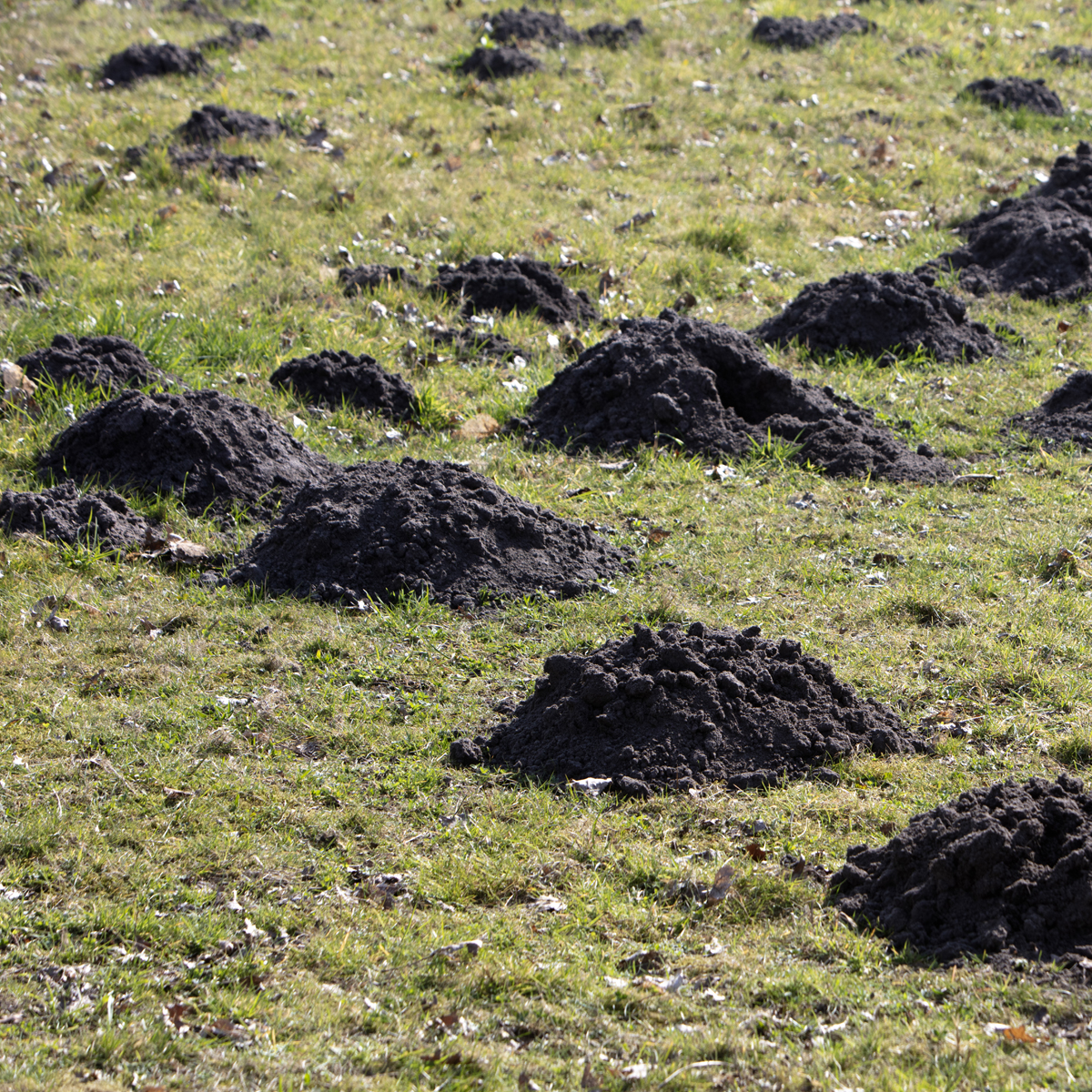
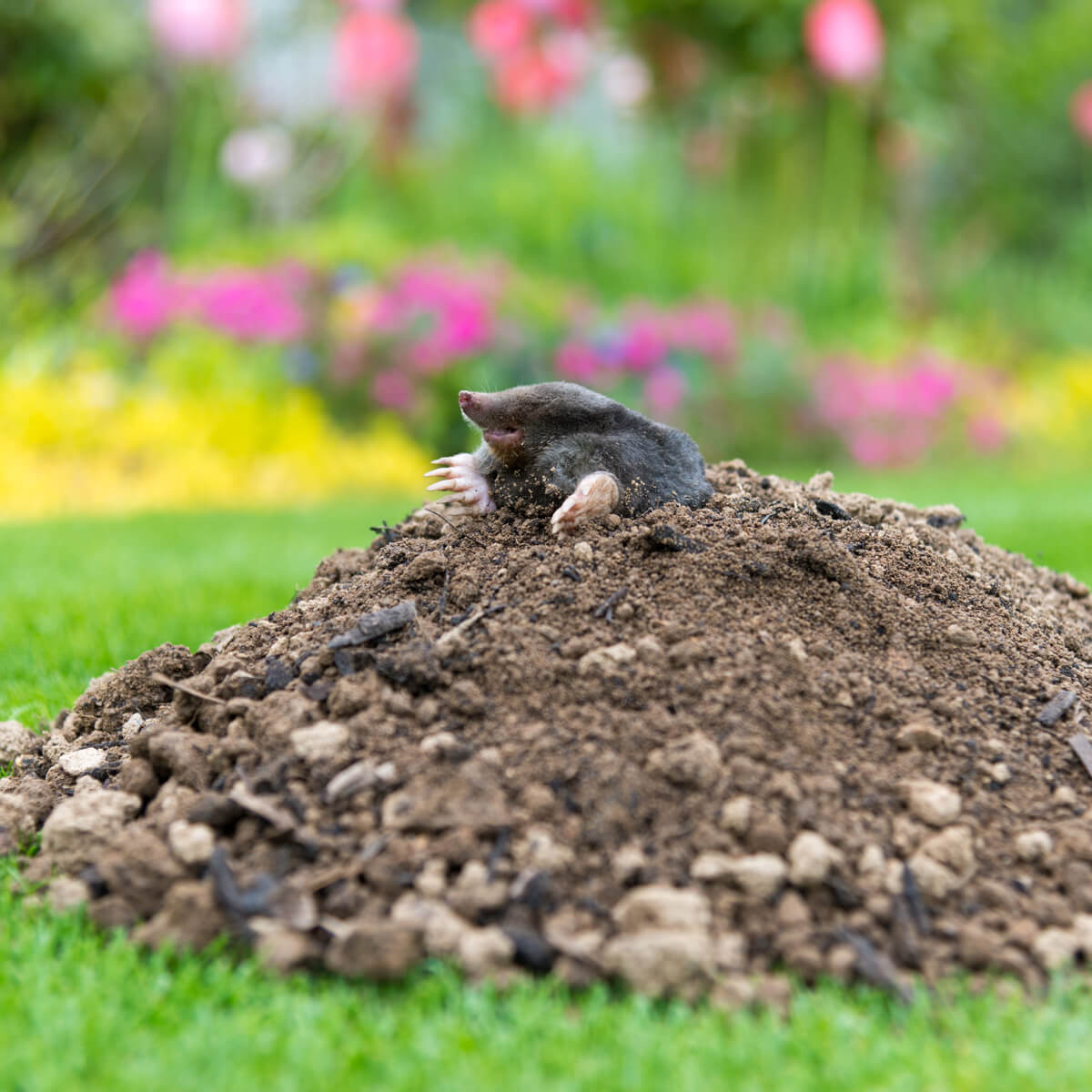
- Moles dig temporary, shallow tunnels just below the surface to hunt earthworms.
- Displaced soil forms molehills, which are often the work of a single mole per garden.
- Mole activity is highly territorial, meaning molehills in close proximity are usually from multiple individuals occupying different territories.
Why Remove Moles?
Moles are generally not aggressive, but their burrowing causes several problems:
1. Property and garden damage:
- Tunnels destabilise the soil, creating ridges and depressions in lawns and pastures.
- They damage plant roots, flowerbeds, crops, and vegetable gardens.
- Molehills are unsightly and can interfere with mowing and garden aesthetics.
2. Safety hazards for humans and animals:
- Shallow tunnels and soft spots in pastures create risk of injury for people, pets, and farm animals.
- Particularly dangerous for racehorses and livestock, as a horse stepping into a tunnel may twist a leg, causing severe injury.
3. Erosion and landscaping issues:
- Repeated mole activity can undermine soil stability, affecting landscaping, sports fields, golf courses, and gardens.
Guarantee
Due to the erratic and unpredictable behaviour of moles, we guarantee only that at least one mole will be caught. Moles are solitary, territorial animals living in extensive burrow networks.
- Tunnel systems: ~5cm wide, 4cm high, up to 70 metres long
- Territory: 400–2,000 m² per mole
How Our Treatment Works
Trapping
BPCA – trained technicians strategically place specialist mole traps to intercept active tunnels.
- Traps may be moved as moles change tunnelling direction.
- Multiple visits are often required to catch all moles in a territory.
Gassing (Aluminium Phosphide)
A pellet releases phosphine gas when in contact with moisture in the soil.
- Not suitable for extremely dry conditions.
- Technicians monitor the site carefully to ensure safe and effective application.
Products We Use
Traps:
- TALPEX MOLE TRAP
- TRAPLINE MOLE TRAP
- PUTANGES MOLE TRAP
Gassing Agent:
- TALUNEX ALUMINIUM PHOSPHIDE GASSING AGENT
All products are documented in a post-treatment report with relevant safety data sheets.
Preparation Before Treatment
- Leave molehills and tunnel entrances undisturbed for technician assessment
- Do not attempt to fill tunnels or place DIY traps
- Keep records of mole activity and patterns in the property
- Inform neighbours if you suspect moles may spread from adjoining land
Aftercare and Prevention
Regularly inspect lawns, pastures, and landscaped areas for new mole activity
- Maintain well-drained soil; overly wet areas attract moles
- Fence off sensitive areas (e.g., racetracks, horse paddocks) temporarily until mole activity ceases
- Consider habitat management: remove excessive compost heaps, piles of earth, or debris that attract worms
Mole Risks in Equestrian Properties
- Racehorses and grazing livestock are highly vulnerable to soft ground from mole tunnes
- A horse’s leg could twist or break if stepping into a tunnel, causing catastrophic injury
- Regular mole monitoring and professional removal is essential for equestrian safety
FAQs About Mole Control
How can I tell if I have moles?
Look for molehills, ridges across lawns or pastures, and soft, uneven ground caused by tunnelling.
Are moles harmful to pets, livestock, or humans?
Moles do not bite or attack, but their tunnels create hazards, especially for horses and livestock.
How long does mole control take?
It may take several visits over 1 – 2 weeks to catch all moles, as they are highly territorial and move unpredictably.
Can moles return after treatment?
Yes, unless habitats are modified and access points are managed. Regular monitoring is advised.
Is gassing safe for my garden and livestock?
Gassing is applied professionally with strict safety protocols. Areas are monitored to prevent exposure to humans, pets, or livestock.
100s Of Happy Customers



Rated 5/5 based on
Google reviews