



Office Pest Control
Comprehensive office pest prevention and management services
Office pest prevention and management services
Rapid-response pest assessments and treatments for workplaces
Tailored pest-control plans designed for your office premises
Optional office sanitisation and disinfection services
Reduce avoidable health hazards effectively

Rated 5/5 based on Google reviews
Get in touch today
The Importance of Office Pest Control
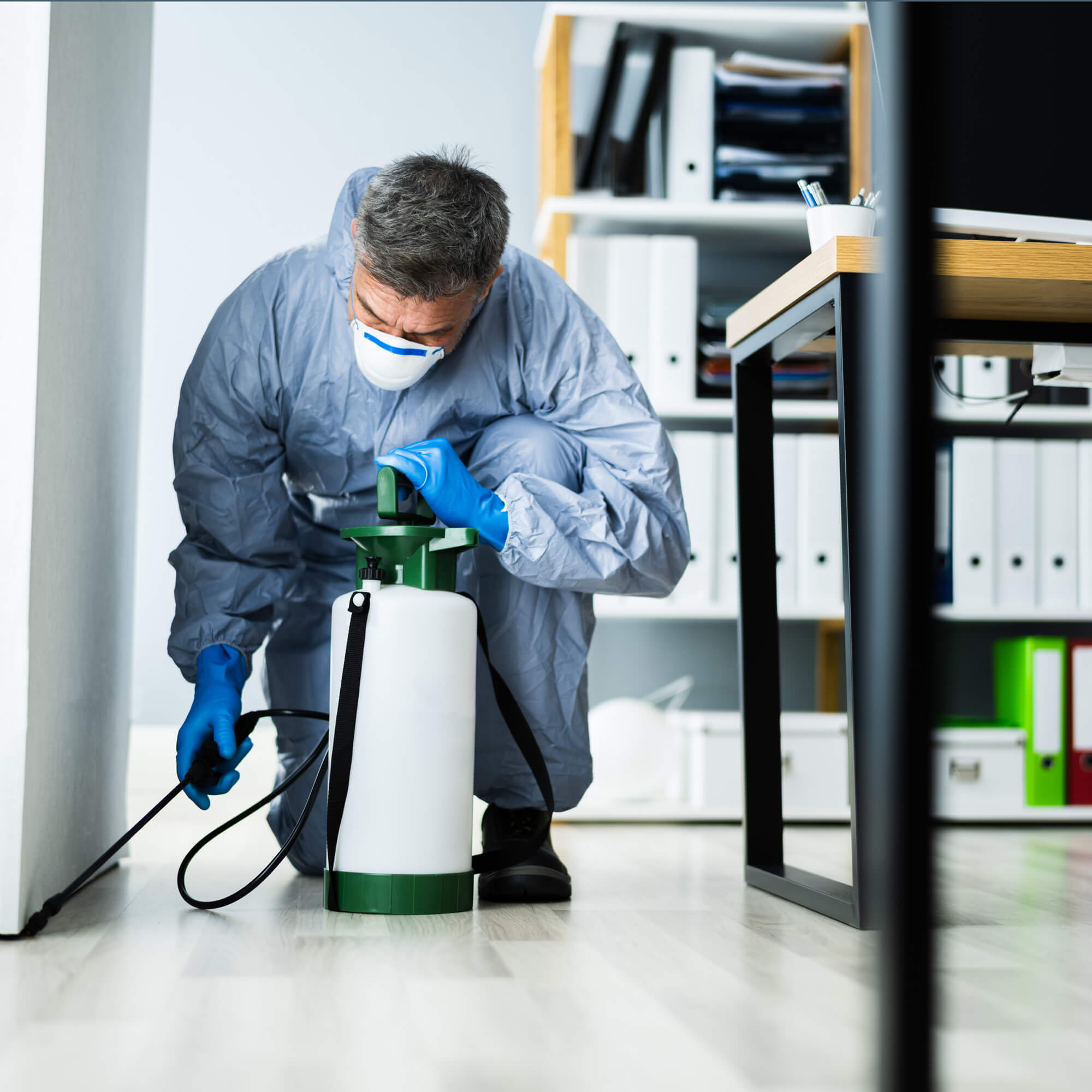
Even the cleanest office can attract pests such as rodents, cockroaches, ants, and pantry insects. If these infestations go unchecked, they can tarnish your reputation and pose significant risks to employee health, workplace hygiene, and the safety of equipment and property.
- Safeguard Employee Health and Safety: Pests like cockroaches, mice, and rats often carry pathogens and can trigger allergic reactions.
- Maintain a Professional Image: A pest-free, clean environment fosters trust among clients, partners, and staff. Discovering a pest during a meeting can severely impact a visitor’s perception of your business.
- Prevent Expensive Damage: Rodents can chew through electrical wiring, insects can infest storage areas, and infestations can damage documents and furniture.
- Ensure Compliance with Safety Standards: Regular pest control is crucial for offices handling sensitive materials, such as documentation and electronics, to uphold hygiene and safety standards.
Whether your office is small or located in a large corporate building, investing in professional pest control is not optional—it is essential.
Common Office Pests and Their Problems
Offices offer conditions attractive to pests: food crumbs, hidden corners, warm environments, and sometimes moisture. Here are common offenders and why they are problematic:

Rodents (mice and rats)
These pests can squeeze through small openings, nest behind walls or under floors, and chew wires and cables, posing fire risks or causing equipment damage.

Cockroaches
Frequently invade kitchens, pantry spaces, or bathrooms. They spread bacteria, contaminate surfaces and food, exacerbate allergies, and are difficult to eradicate once they establish themselves.

Ants
Drawn to food scraps, sugary drinks, or damp, warm crevices, ants can invade desks, break rooms, or storage areas.

Pantry pests, flies, and other insects
Stored food, bins, open trash, or leftover snacks can attract fruit flies, pantry moths, drain flies, or gnats, especially in kitchens and waste areas.
Offices often include storage rooms, kitchenettes, desks with food or snacks, cables, and hidden spaces, providing numerous potential hideouts and entry points for pests.
Our Approach to Office Pest Control

Our strategy is not one-size-fits-all. We employ a combination of thorough inspection, effective treatment, and preventive measures to maintain a pest-free office environment long-term.
- Comprehensive Inspection
We begin with a full survey of the office, checking areas such as raised floors, storage areas, kitchens, waste bins, plumbing, and ventilation points—anywhere pests could hide or enter. - Targeted Treatment
Depending on the pests identified—rodents, insects, pantry pests, etc.—we choose the most appropriate and safest method. Our treatments aim to eradicate pests with minimal disruption to daily operations. - Post-Treatment Monitoring
Following the initial treatment, we conduct follow-up inspections to confirm pest elimination and ensure no further activity. Additional measures are implemented if necessary. - Preventive Measures and Pest-Proofing
Prevention is crucial: sealing cracks and holes, ensuring proper waste management, maintaining cleanliness, and providing guidance on behavior, such as how to store and dispose of food and waste. - Transparent Reporting and Safety Compliance
Each service includes a detailed report and, when necessary, assessments to comply with health and safety or hazardous-substance regulations, ensuring transparency and workplace safety.
How You Can Help—Office Hygiene and Prevention Tips
While professional pest control is essential, there are simple actions every office can take to minimize pest risks:
- Encourage staff to avoid leaving food out or unsealed—always store snacks properly and clean up food areas promptly.
- Use sealed, covered bins for waste and empty them regularly to prevent trash accumulation.
- Keep kitchenettes, breakrooms, sinks, drains, and eating areas clean and dry, as moisture attracts pests like cockroaches and gnats.
- Seal cracks, gaps, or openings around windows, doors, plumbing, and cables, as even the smallest entrances can be exploited by rodents and insects.
- Store paper, cardboard, food, supplies, and documents properly since clutter and storage rooms often become nests for pantry insects or rodents.
- Conduct regular inspections and cleanings, as early detection is more manageable and cost-effective than dealing with a full-blown infestation.

Why Choose a Professional Office Pest Control Service
Professional pest control services provide access to trained specialists who understand pest behavior in office settings, such as hidden wiring, raised floors, shared kitchens, and storage areas. This ensures no corner is overlooked.
Treatments are tailored to your office layout, personnel safety, and local hygiene standards, avoiding indiscriminate chemical use in sensitive spaces.
With professional monitoring and prevention, you minimize the risk of recurring infestations, ultimately saving money, protecting your reputation, and reducing stress in the long term.
Proper documentation and reporting can support compliance with safety, hygiene, or regulatory requirements, especially if your business undergoes inspections or audits.
FAQs
What are the most common pests found in office buildings?
The pests most frequently encountered in offices include mice, rats, cockroaches, ants, flies, and pantry pests. These pests are attracted to food remnants, warm environments, cluttered storage areas, and hidden spaces like ceiling voids or under raised floors.
How can I tell if my office has a pest problem?
How often should an office schedule pest control services?
Is pest control safe for employees and office equipment?
How can we prevent pests in the office long-term?
Case Study
100s Of Happy Customers

Rated 5/5 based on
Google reviews